


Type 2 diabetes and related cardiometabolic conditions rarely begin at diagnosis. By the time they are detected, the underlying process has often been advancing quietly for years, which means the real window for prevention opens well before disease becomes obvious.
Diagnosis is usually a late moment in a longer disease process
Most people assume that disease begins when it is diagnosed. In cardiometabolic medicine, that assumption is often wrong. Type 2 diabetes, hypertension, non-alcohol-related fatty liver disease, and cardiovascular disease usually develop over years before they are formally identified. Diagnosis is rarely the start of the process. More often, it is the point at which the body can no longer compensate for pathology that has been present for some time.
This distinction matters clinically and conceptually. Diabetes now affects around 589 million adults worldwide, and the International Diabetes Federation estimates that 252 million adults living with diabetes remain undiagnosed. These figures suggest that metabolic disease is often biologically advanced before it becomes clinically visible
I was reminded of this some years ago in clinic. A woman presented with excessive thirst and polyuria. Her fasting glucose confirmed type 2 diabetes. What mattered was the earlier history. Eighteen months before, a workplace screening had shown impaired glucose tolerance. Lifestyle advice had been given and follow-up recommended. She did not return because she felt entirely well. From her perspective, diabetes had appeared abruptly. Biologically, it had not. The disease process had almost certainly been underway for years.
That pattern is common. Patients are often surprised because the years before diagnosis are usually silent. Symptoms may be absent. Daily life continues. Routine tests may remain within reference ranges. Meanwhile, the body is compensating.
Why normal test results can conceal metabolic strain
The underlying biology is well described. In many individuals, excess adiposity, especially visceral and ectopic fat, contributes to insulin resistance in the liver and skeletal muscle. The pancreas initially responds by increasing insulin secretion to maintain normoglycaemia. For a period, this compensatory hyperinsulinaemia is effective. Glucose measurements may still appear normal, even though the metabolic system is under strain. Type 2 diabetes develops when insulin secretion can no longer match the degree of insulin resistance. Reviews in major journals continue to identify progressive insulin resistance and beta-cell dysfunction as central to this pathway.
Longitudinal studies support the same conclusion. Data from the Whitehall II cohort showed rising fasting glucose and declining beta-cell compensation several years before diabetes diagnosis. Other analyses suggest that the prodromal phase may extend for a decade or longer in some individuals. The exact timeline varies, but the principle is consistent: a diagnosis captures a relatively late point in a longer pathological trajectory.
This is one reason cardiometabolic disease is so easily misunderstood. A normal fasting glucose can be reassuring, but reassurance is not the same as health. Glucose homeostasis may be preserved for years by increased insulin output, even as insulin resistance worsens, liver fat accumulates, and vascular risk rises. In practice, a patient may be metabolically unwell before crossing any formal threshold for diabetes.
What clinical systems miss during the compensatory phase
Part of the explanation lies in how clinical systems are organised. Medicine is designed to diagnose and manage established disease. It is less effective during the long interval in which dysfunction is real but not yet dramatic. Screening recommendations help, but they do not eliminate this gap. The US Preventive Services Task Force recommends screening adults aged 35–70 years with overweight or obesity for prediabetes and type 2 diabetes.
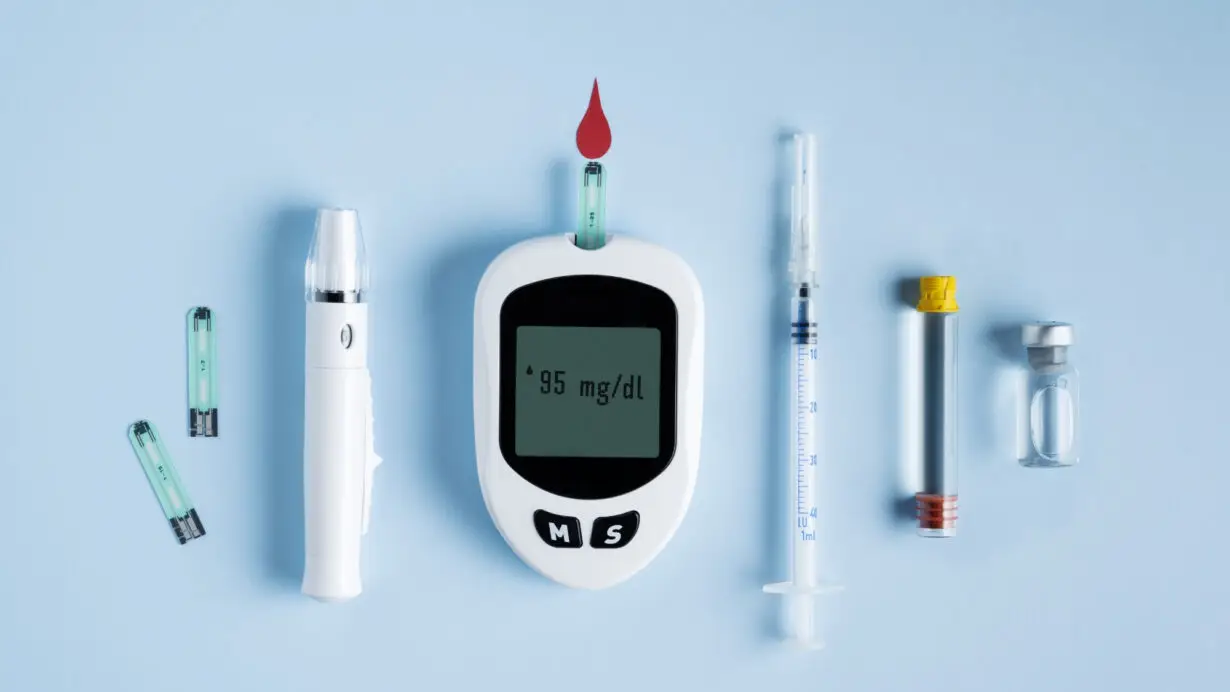
The American Diabetes Association recognises fasting plasma glucose, HbA1c, and the 2-hour oral glucose tolerance test as standard diagnostic tools. These are useful and necessary measures. But they are still anchored to dysglycaemia that has become measurable, rather than to the earlier compensatory phase.
There is also a systems problem. Early detection depends on more than a test. It requires access to care, continuity, follow-up, and a willingness to act on intermediate risk. Borderline results are often noted but not pursued. Patients who feel well may not appreciate the significance of early abnormalities. Clinicians working under time and resource constraints may focus, understandably, on more urgent pathology. The result is predictable: disease is recognised late because health systems are better at responding to overt illness than to silent progression.
This pattern is not confined to low-resource settings, although it is often more visible there. During my years of practice in West Africa, late presentation was common. Patients frequently arrived with established diabetes, uncontrolled hypertension, or end-organ complications. Yet the same dynamic can be observed in high-income settings. Screening may occur, but follow-up is missed. Risk factors are documented, but continuity is weak. The setting changes; the delay often does not.
A further issue is that cardiometabolic screening remains heavily glucose-centred. Glucose is important, but it is not the whole story. In selected patients, other markers may indicate earlier risk: central adiposity, elevated triglycerides, low HDL cholesterol, hypertension, abnormal liver enzymes, previous gestational diabetes, or a strong family history. Oral glucose tolerance testing can also detect abnormalities not seen on fasting measures alone. Some clinicians use fasting insulin or insulin-derived indices in specialist risk assessment, although these are not standard screening tools in major guidelines. The point is not that one neglected test would solve the problem. It is that the biology often becomes abnormal before routine diagnostic thresholds capture it fully.
A normal fasting glucose can be reassuring, but reassurance is not the same as health.
Why delayed recognition carries lasting consequences
The consequences of delayed recognition are substantial. Cardiometabolic disease is cumulative. Years of insulin resistance, dyslipidaemia, endothelial stress, and ectopic fat deposition increase the likelihood of diabetes, cardiovascular disease, chronic kidney disease, and fatty liver disease before formal diagnosis appears in the medical record. By the time diabetes is identified, tissue-level damage may already be underway.
Evidence from prevention trials shows that this earlier phase is clinically meaningful. In the Diabetes Prevention Program, intensive lifestyle intervention reduced the incidence of type 2 diabetes by 58% over about 3 years among adults at high risk. That finding remains important because it demonstrates that risk detected before overt disease is not hypothetical. It is modifiable.
For wellbeing, the lesson is straightforward. Health cannot be defined only by the absence of symptoms or the absence of diagnosis. Cardiometabolic disease exposes the weakness of that view. A person may feel well while the body is under sustained metabolic strain. Functional status and biological health are not always the same.
The window for prevention opens earlier than most patients realise.
The case for earlier attention before disease becomes obvious
A diagnosis still matters. It provides clarity, triggers treatment, and may alter behaviour. But it should not be mistaken for the beginning of disease. More often, it marks the end of compensation.
The practical implication is not anxiety, but earlier attention. Patients and clinicians should take intermediate abnormalities seriously, especially where family history, adiposity, prior gestational diabetes, hypertension, dyslipidaemia, or fatty liver increase baseline risk. Systems should also treat follow-up as part of prevention rather than as an optional administrative step.
Cardiometabolic disease usually does not arrive suddenly. It accumulates quietly, then declares itself late. The opportunity for effective intervention often opens years before diagnosis. The challenge is whether we are prepared to recognise disease during the long period when it is still easy to ignore.