



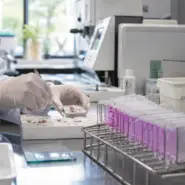

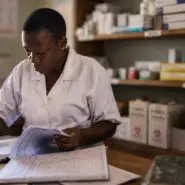

For decades, global pharmaceutical production has reflected the geography of power more than the geography of need. Manufacturing capacity has been concentrated in a handful of countries, while much of Africa has remained dependent on imported medicines, vaccines, and diagnostics.
African leaders are now attempting an ambitious reversal. In 2022, the African Union adopted a target for the continent to manufacture 60 percent of the health products it consumes by 2040. More than an industrial objective, the initiative reflects a broader vision of health sovereignty. Medicines are increasingly viewed as strategic assets linked to resilience, economic security, and preparedness.
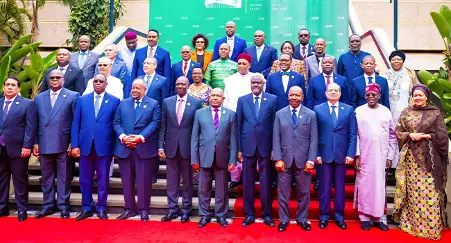
Political momentum is accelerating. The Extraordinary Summit on African Health Products Manufacturing, scheduled for Nairobi in 2026, is expected to move discussions from aspiration to implementation. Governments, development institutions, manufacturers, and regulators will examine how political commitments can translate into viable production systems.
The practical question is whether procurement systems, regulatory frameworks, financing arrangements, and market demand can sustain Africa’s manufacturing ambitions. That question may determine whether the continent’s health manufacturing strategy becomes a durable success or another ambitious reform weakened by implementation.
Pandemic Lessons: Why Manufacturing Became a Security Issue
COVID-19 changed how policymakers understood pharmaceutical dependence. During the first year of vaccine deployment, wealthier countries secured large advance purchase agreements, while many African countries faced prolonged delays in access. At one stage in 2021, vaccination coverage in low-income settings remained critically low despite rising global demand.
Africa currently imports an estimated 70 to 90 percent of its pharmaceutical products, largely from India, China, and Europe. The pandemic showed that such dependence carries geopolitical risks. Export restrictions, vaccine nationalism, and supply chain disruptions turned global manufacturing networks into instruments of strategic power.
For policymakers, the lesson was clear: pharmaceutical dependence is a health security challenge. The objective has shifted from purchasing products abroad toward developing domestic and regional production capacity that can respond during crises.
Yet building factories alone does not guarantee security.
Beyond Factories: Building an Ecosystem
Africa’s manufacturing agenda increasingly recognizes that health security requires more than production facilities. Sustainable pharmaceutical systems depend on integrated ecosystems involving regulation, financing, procurement, logistics, and workforce capacity.
The current strategy rests on three interrelated pillars.
The first is regional specialization. Rather than replicate full pharmaceutical industries in every country, regional manufacturing hubs seek to distribute functions across countries while drawing on comparative strengths. This approach aims to create economies of scale while reducing duplication.
The second is regulatory harmonization. Fragmented regulatory systems have historically forced manufacturers to navigate multiple approval processes across markets, delaying access and increasing costs. In February 2025, national regulatory authorities from Ghana, Nigeria, Rwanda, Senegal, South Africa, Tanzania, and Zimbabwe signed a Memorandum of Understanding to promote reliance on regulatory decisions, streamline approvals, reduce duplication, and accelerate access to medicines, vaccines, and medical devices.
The third is pooled procurement. Supported by Afreximbank and UNECA, the Pooled Procurement Mechanism seeks to aggregate demand across countries and provide manufacturers with larger, more predictable markets.
Together, these reforms attempt to address a longstanding challenge: African manufacturers often face uncertainty about whether locally produced health products will find stable purchasers.
Turning these mechanisms into functioning systems remains difficult.
The Procurement Challenge: Factories Need Markets
Procurement may determine whether Africa’s manufacturing ambitions succeed.
Across much of the continent, purchasing systems remain fragmented. Ministries of health often operate multiple procurement pathways at once, including donor-supported programs, national tenders, and emergency purchasing mechanisms. This fragmentation complicates forecasting and reduces predictability for manufacturers.
This creates a policy paradox. Governments frequently promote domestic manufacturing in policy statements, yet procurement contracts often prioritize the lowest-cost international supplier. Imported products may remain cheaper because of larger production scales and established global supply chains.
Manufacturers need demand certainty. Pharmaceutical investments involve substantial upfront costs and long planning horizons. Without reliable purchasing commitments, factories risk operating below capacity despite political support.
Pooled procurement could help by aggregating purchasing power and creating larger markets. Successful implementation, however, requires countries to coordinate procurement cycles, financing systems, and political priorities. Those tasks have historically proven difficult.
The question is whether Africa can build markets as effectively as it seeks to build factories.
Financing Ambition
Financing presents another major challenge.
Pharmaceutical manufacturing is capital-intensive and highly regulated. Investments extend beyond factory construction to workforce training, quality systems, logistics infrastructure, research capacity, and technology transfer.
At the 2nd Vaccines and Other Health Products Manufacturing Forum in Cairo in February 2025, Africa CDC, Gavi, the Regionalized Vaccine Manufacturing Collaborative, and Egypt’s Unified Procurement Authority convened African health ministers, regulators, manufacturers, development finance institutions, and partners to examine barriers to sustainable manufacturing.
Several significant commitments are now in place. The African Vaccine Manufacturing Accelerator was launched with USD 1.2 billion in pledged financing to incentivize vaccine manufacturing in Africa. Afreximbank has also committed a USD 2 billion facility to the Africa Health Security Investment Plan, with a focus on the African Pooled Procurement Mechanism and the Platform for Harmonized African Health Products Manufacturing.
These commitments are substantial, but funding pledges and sustainable financing are different things.
Many governments face debt pressures, constrained public budgets, and competing development priorities. Donor funding for global health has plateaued, while geopolitical tensions increasingly affect development financing.
The critical issue is whether financing mechanisms can support manufacturing ecosystems over time.
Cholera and the Limits of Production Capacity
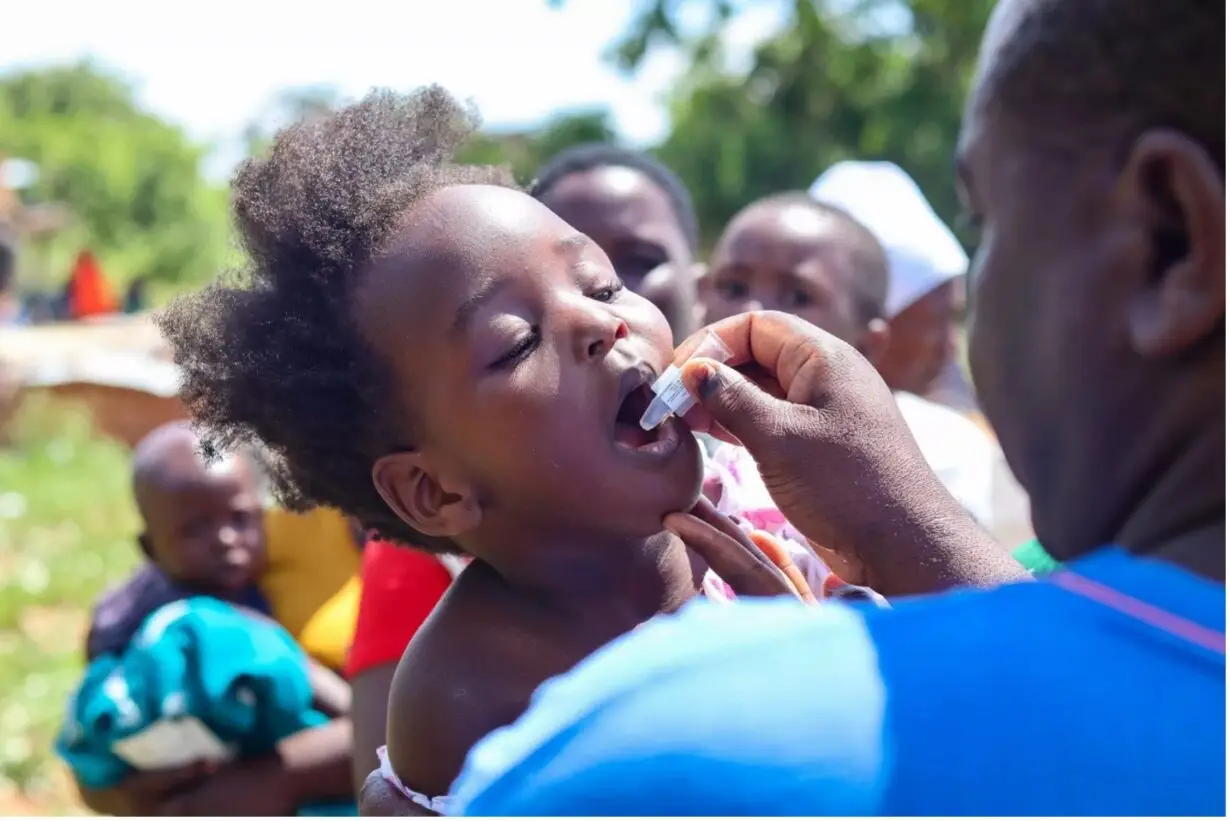
Recent cholera outbreaks in southern Africa illustrate both progress and persistent gaps.
Demand for oral cholera vaccines increased sharply during recent outbreaks, while global supply remained constrained. In 2022, the International Coordinating Group that manages emergency vaccine supplies temporarily suspended the standard two-dose cholera vaccination strategy in outbreak response campaigns and moved to a single-dose approach because of strained global supply.
The episode showed that production capacity alone does not guarantee access. Manufacturing systems depend on supply chains, regulatory approvals, procurement systems, financing, and demand coordination.
Factories cannot operate effectively in isolation.
The Stakes Beyond Africa
Africa’s manufacturing ambitions carry implications beyond the continent.
COVID-19 exposed the vulnerabilities of concentrating pharmaceutical production in relatively few countries. Expanding manufacturing capacity geographically could strengthen global resilience and diversify supply chains.
Africa’s healthcare market already exceeds USD 50 billion annually and continues to grow. If manufacturing systems become sustainable, the continent could emerge as both a major consumer market and an important contributor to global pharmaceutical production.
Failure carries consequences as well. Continued dependence on external suppliers risks reproducing the vulnerabilities revealed during COVID-19.
The Moment of Decision
Africa’s pharmaceutical manufacturing ambitions represent one of the largest health-industrial projects in recent history. The central challenge is implementation.
Can procurement systems guarantee demand? Can regulators create efficient continental markets? Can financing mechanisms support industries beyond initial investments? Can governments coordinate policies across sectors and borders?
The upcoming Nairobi summit may offer answers. Political declarations have already been made. Financing announcements have generated optimism. Regulatory and procurement reforms are emerging.
The next phase will determine whether Africa can convert political commitments into functioning systems.
The challenge is whether Africa can create the institutions, markets, and incentives needed to ensure medicines are made sustainably on the continent.
Adamu Ishaku Akyala is the director of the Global Health and Infectious Diseases Control Institute, Nasarawa State University, Nigeria. He is a public health professional and consultant to several international health organizations.
Stephen Olaide Aremu is a senior research fellow at the Global Health and Infectious Diseases Control Institute, Nasarawa State University, Nigeria. He is a health policy expert and strategist.







[…] Africa Wants to Make Its Own Medicines. Can Political Promises Become Production? […]