

Malaria drug resistance does not arrive as a single dramatic event. It begins with slower recovery, more pressure on clinics, and families returning for care after treatment should already have worked. The warning signs are technical, but the consequences are political.
The shift that does not announce itself
In clinics in parts of East Africa, the rhythm of malaria recovery is beginning to change.
For two decades, artemisinin-based combination therapies, or ACTs, have been the bedrock of malaria treatment, trusted by parents and clinicians for their ability to save lives. They remain highly effective and continue to cure most patients. But the warning signs are becoming harder to ignore.
WHO defines artemisinin partial resistance as delayed clearance of malaria parasites after treatment with an artemisinin-based medicine. In practical terms, the drug may still work, but it can work more slowly. WHO’s 2025 reporting identifies confirmed partial resistance in Eritrea, Rwanda, Uganda, and Tanzania, with suspected resistance in several other countries. This does not mean ACTs have stopped working across the continent. It means the margin of safety is narrowing, especially if the partner drugs in ACTs also become less effective.
That distinction matters, but it should not soften the urgency.
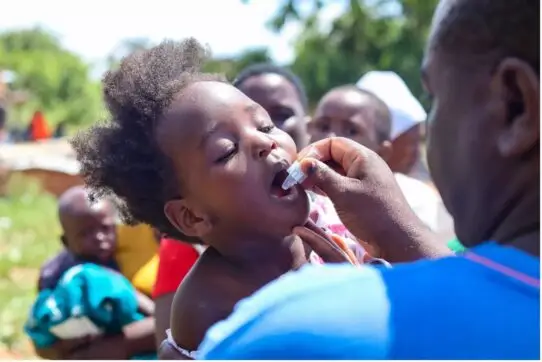
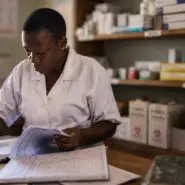
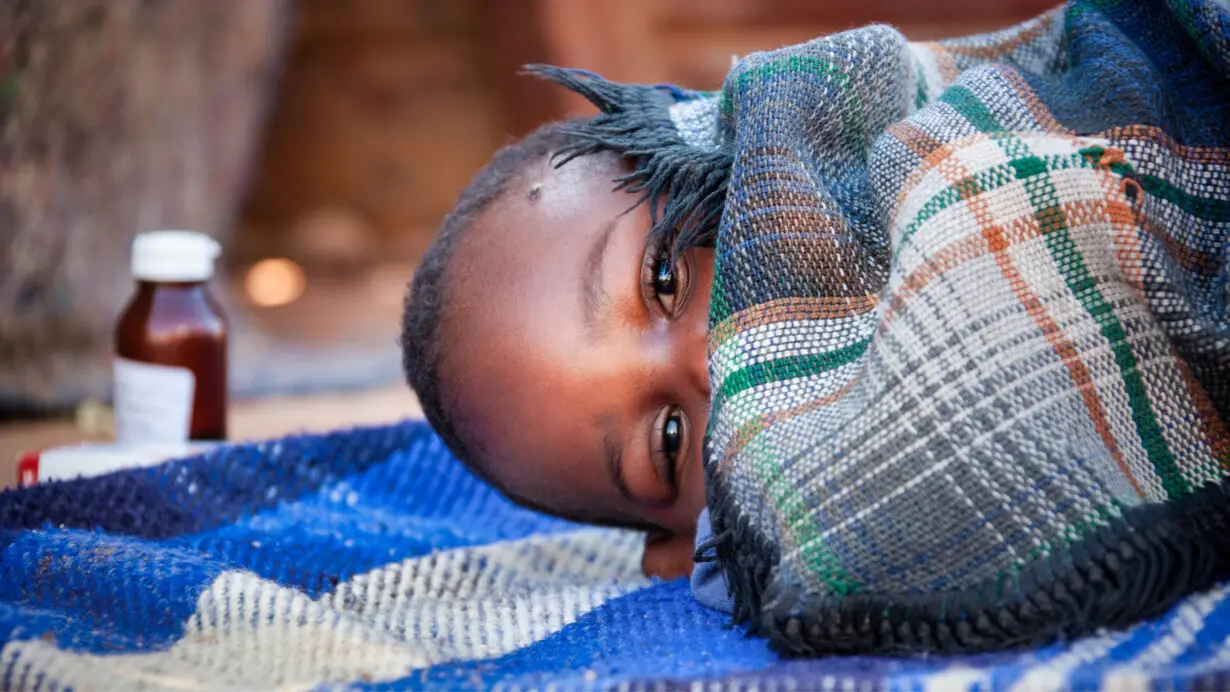
When a child does not recover quickly, the cost ripples outward. Families with the fewest resources spend more time and money seeking repeated care. Parents miss work. Children miss school. Health workers manage more complex cases with tools that may not perform as reliably as they once did. What begins as a clinical warning starts to move through the system.
There is rarely one dramatic moment when drug resistance becomes a crisis. The system absorbs pressure quietly until it cannot.
A warning from Southeast Asia
We have seen this pattern before.
In Southeast Asia, artemisinin resistance appeared first in limited areas before requiring a major regional containment effort. The lesson is not that Africa will follow the same path. The epidemiological context is different. The lesson is that resistance can begin as a technical concern documented by researchers and clinicians, then become a regional containment challenge if surveillance, financing, drug policy, and regulation do not keep pace.
Global health systems often treat early warnings as technical signals rather than political priorities. That is the danger now. The first burden of delayed action will fall on families, health workers, and national malaria programs trying to manage resistance before financing and policy catch up.
Delay will make the evidence easier to see and the response harder to afford
Africa faces a harder challenge
Africa now faces this problem under more demanding conditions.
Malaria transmission remains high across much of the continent. WHO estimates that there were 282 million malaria cases and 610,000 deaths globally in 2024, with the African Region continuing to carry the greatest burden.
ACTs remain central to treatment for uncomplicated malaria. In many settings, changing treatment policy at scale would require new procurement, training, financing, supply-chain planning, and regulatory work. If treatment efficacy weakens more broadly, the consequences will not remain confined to clinics.
Malaria already affects household income, school attendance, labor productivity, and health-system capacity. Harder-to-treat malaria would deepen those pressures, especially for communities with fewer resources and fewer options when recovery is delayed or treatment fails.
The easiest way to misunderstand malaria drug resistance is to treat it only as a pharmaceutical problem. Resistance spreads through systems: weak surveillance, fragmented procurement, poor-quality medicines, incomplete treatment, underregulated private markets, and slow policy adaptation. Cross-border movement, uneven access to care, and inconsistent drug quality can turn local warning signs into regional risk. The response requires political attention, financing, and operational discipline.
The response has to become operational
There has been movement. WHO launched a strategy in 2022 to respond to antimalarial drug resistance in Africa, focused on tracking resistance, identifying populations at risk, delaying the emergence and spread of resistance, and supporting access to quality-assured treatment. In 2025, African health leaders and global partners again called for intensified action with emphasis on coordinated regional response.
The issue is whether recognition is being matched by urgency, financing, and implementation.
A serious response has several parts.
First, surveillance must become routine, faster, and better financed. Countries need stronger therapeutic efficacy studies, molecular monitoring, and systems that connect laboratory findings to treatment policy. Early signals only matter if they lead to decisions.
Second, treatment policy needs more flexibility. Countries should be prepared to adapt first-line treatment strategies where evidence shows declining efficacy. WHO has also issued guidance on multiple first-line therapies, an approach intended to help extend the useful life of ACTs and reduce selection pressure on any single regimen. That kind of policy shift is technically demanding. It requires procurement capacity, provider training, reliable supply chains, and clear communication to clinicians and communities.
Third, medicine regulation must be treated as part of malaria control. Poor-quality, substandard, or improperly used antimalarials create conditions in which resistance can spread. Stronger oversight of public and private markets is not a secondary concern. It is central to protecting the medicines still available.
Fourth, financing has to match the risk. Malaria control is already underfunded. WHO’s 2025 report, summarized by Reuters, estimated that global malaria funding in 2024 was $3.9 billion, less than half of the estimated $9 billion needed. A resistance threat emerging in that funding environment is especially dangerous. Delayed investment may appear fiscally prudent in the short term, but it shifts larger costs onto health systems, households, and future emergency responses.
Donors and governments are both being tested
It is tempting to frame this as a donor failure alone. That would be too simple. African governments operate within constrained fiscal environments, and malaria competes with many urgent priorities. But national leadership still matters. Surveillance priorities, treatment guidelines, medicine regulation, procurement choices, and cross-border coordination are government responsibilities, even when donor financing plays a major role.
Donors also face a test. Global health financing often speaks the language of preparedness and health security. Malaria drug resistance is exactly the kind of threat those commitments are meant to address: visible enough to act on, dangerous enough to warrant urgency, and still early enough for timely intervention to change the outcome.
Too often, financing and political attention arrive when the evidence is already obvious to everyone. By then, the response is usually more expensive, less targeted, and harder to sustain.
The test ahead
There is a narrowing interval between early evidence of partial resistance and wider loss of treatment effectiveness. That interval does not come with a deadline. It will be clearer in hindsight than it is in the moment.
Africa is in that interval now.
The future of malaria control over the next decade will not be shaped by a single breakthrough or failure. It will be shaped by how quickly governments, donors, and health systems respond to what is already being observed.
Delay will make the evidence easier to see and the response harder to afford.
Tian Johnson is the head of the Pan-African nonprofit African Alliance, working at the intersection of health security, community engagement, and equitable access to medicines across Africa.